
CLARITY Act Ethics Standoff: Trump Meets Senate This Week

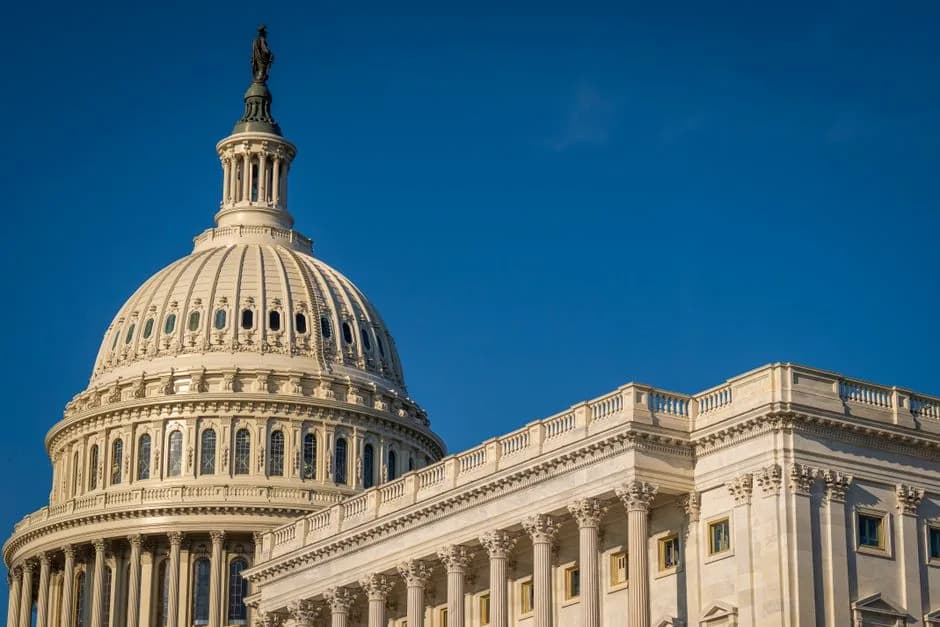
The CLARITY Act missed its July 4 target. Now, with the Senate set to leave for August recess after the first week of the month, the bill's fate comes down to one unresolved section, and it's the section that happens to be about Trump's own crypto holdings.
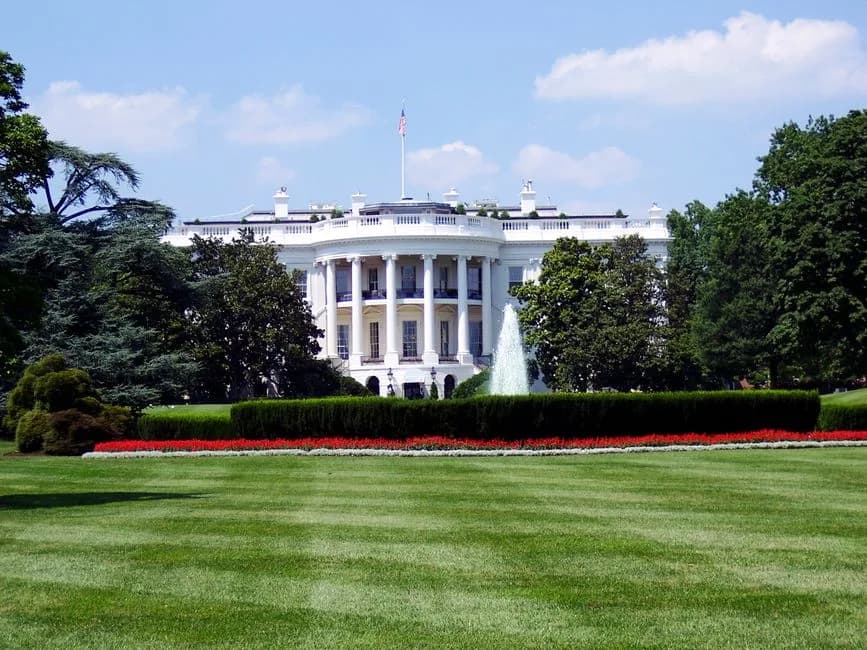
The CLARITY Act ethics standoff centers on a provision that would restrict senior government officials from holding personal business interests in the crypto industry. Democrats have made that restriction a condition of their support. The White House has pushed back on how directly it should apply to the president. This week, Trump is sitting down with senators to try to close the gap before the window closes for good.
This piece breaks down what the ethics section actually says, why it's the one part of the bill nobody can agree on, and what happens if the Senate leaves town without a deal.
What the CLARITY Act Actually Does
Before getting into the standoff, it's worth being precise about what this bill is, since a lot of coverage blurs it together with the GENIUS Act. They're not the same thing.
| Bill | What it covers |
|---|---|
| GENIUS Act | Federal framework specifically for stablecoins |
| CLARITY Act | Broader market-structure rules, splits crypto oversight between the SEC and CFTC |
The GENIUS Act is already law and governs how stablecoins like USD1 and USDC operate. CLARITY is the bigger, more contested bill, it decides which federal agency regulates which kind of token, how exchanges register, and where the line sits between a security and a commodity in crypto markets. It's the piece of legislation the industry has been waiting years for, and it's also the one still stuck.
Sneak peek: the reason the ethics section is so contentious traces directly back to one filing. Trump's $1.4 billion crypto income disclosure is the exact data point Democrats are pointing to when they argue this restriction needs to apply to the president specifically, not just future officeholders.
The Ethics Section: What's Actually Being Fought Over

The unresolved language would restrict senior government officials, and potentially their spouses and children, from holding personal business interests in crypto ventures while in office. Democrats want it written to explicitly cover the president and vice president.
The White House has reportedly pushed for the restriction to be framed as a general officeholder rule instead, language that applies going forward without naming Trump directly. CoinDesk's reporting on the White House meeting frames this squarely as a Trump crypto conflict of interest fight, not a separate ethics debate happening on the side.
That distinction isn't just wordsmithing. A general rule written to apply prospectively could plausibly leave existing holdings, like Trump's stake in World Liberty Financial or his licensing deal tied to the $TRUMP meme coin, outside its reach. A rule explicitly covering the sitting president closes that gap. It's the difference between a bill that changes the rules for the next crypto-invested official and one that changes them for this one.
Democrats have made this a condition of their support in large part because of exactly the numbers now on the public record. Trump reported more than $1.4 billion in 2025 crypto income in his own federal financial disclosure, more than his real estate and golf properties combined. Writing an ethics carve-out into a bill regulating the same industry that generated that income is, to put it plainly, the entire reason this section is stuck.
The CLARITY Act Senate Vote Timeline: Why the Clock Matters
| Date | Event |
|---|---|
| July 4, 2026 | White House's original target for CLARITY Act passage, missed |
| July 15-17, 2026 | Trump meets senators directly on the ethics section |
| Early August 2026 | Senate departs for summer recess |
| Post-recess 2026 | Midterm election year politics make passage far less likely |
That timeline is what makes this week's meetings genuinely load-bearing rather than routine legislative theater. If a compromise isn't reached before recess, congressional aides and reporters covering the bill have been direct about the likely outcome: CLARITY probably doesn't pass in 2026 at all. Once midterm campaigning ramps up, market-structure legislation this contested tends to get shelved rather than revived. Punchbowl News has described the coming CLARITY Act Senate vote timeline as the last realistic window this year, with little appetite in either party to revisit the bill once campaign season fully takes over.
Why the Rest of the Industry Is Watching This Closely
CLARITY isn't just a Trump story, even though the CLARITY Act ethics standoff has made it look that way this week. The bill is the thing standing between crypto markets and an actual answer to questions that have lingered for years: which agency regulates which token, what counts as a security, how exchanges register domestically instead of offshore. Citigroup cited the bill's stalled status as part of why it cut its 12-month Bitcoin price target from $112,000 to $82,000 earlier this year. Market-structure uncertainty has a real, measurable cost attached to it.
That's the tension sitting underneath the CLARITY Act ethics standoff. The industry broadly wants this bill passed, uncertainty is worse for markets than almost any specific rule would be, but the one section holding it up is difficult to resolve without either naming the president directly or leaving an opening that looks like it was built for him.
What Happens Next
-
If a compromise is reached this week: the bill likely moves toward a floor vote before recess.
-
If talks stall: expect the bill to slip past August recess, with a real chance it doesn't return until after the midterms.
-
Watch the exact wording, not just whether a deal is announced. A "general officeholder rule" and language that explicitly names the president produce very different outcomes.
-
This won't be the last story tied to Trump's crypto income. Future CLARITY-adjacent coverage will likely keep referencing the same $1.4 billion disclosure figure.
Quick Answers on the CLARITY Act Ethics Standoff
What is the CLARITY Act ethics standoff actually about? A disputed provision that would restrict senior government officials from holding personal crypto business interests while in office. Democrats want it to explicitly cover the president; the White House has pushed for more general language.
How is this different from the GENIUS Act? The GENIUS Act is already-passed legislation covering stablecoins specifically. CLARITY is broader market-structure legislation still working through the Senate, covering how crypto assets and exchanges are regulated overall.
Why does Trump's crypto income matter to this bill? Trump reported over $1.4 billion in 2025 crypto income tied to ventures like World Liberty Financial and the $TRUMP meme coin. Democrats argue the ethics section needs to explicitly cover the president because of exactly that income.
What happens if the Senate doesn't resolve this before recess? Congressional aides tracking the bill say it likely won't pass in 2026 at all if talks stall before the Senate leaves in early August, since midterm election politics make major legislation harder to move afterward.
Is CLARITY Act passage still likely in 2026? It's uncertain. The bill has bipartisan interest and industry support, but the ethics section is the one piece that has resisted compromise so far, and the timeline to resolve it is now measured in days, not months.
Who benefits from a prolonged CLARITY Act ethics standoff? Nobody in the industry, directly. The uncertainty that comes from the CLARITY Act ethics standoff dragging on is part of why analysts have cited the stalled bill as a factor in lowered Bitcoin price forecasts, regardless of which side of the ethics debate eventually wins out.
The Bigger Picture
The CLARITY Act ethics standoff is a strange kind of legislative gridlock. Almost everyone involved wants the underlying bill to pass, crypto markets have been asking for clear rules for years, and the holdup isn't a disagreement about policy substance so much as a disagreement about whether the rules should visibly apply to the person negotiating them.
Whatever gets resolved this week, or doesn't, the fact that a market-structure bill's fate now hinges on how explicitly it names a sitting president says something on its own. The $1.4 billion figure isn't going away, and neither is the question it raises every time crypto legislation reaches the floor.
Related Articles