Robinhood Chain Memecoins: What's Actually Trading
Robinhood Chain memecoins like CASHCAT went parabolic within days of mainnet launch. Here's what's trading, who made money, and the real risks.

- CASHCAT surged roughly 700-950% in 24 hours, referencing Robinhood's old mascot
- CEO Tenev walked back his anti-memecoin stance within a week of launch
- Uniswap V3 on Robinhood Chain is effectively the only real venue, not Pump.fun
- An early trader reportedly turned $85 into roughly $2.3 million
Robinhood Chain memecoins were supposed to be a footnote. Robinhood's own CEO spent launch week talking up real-world assets and tokenized stocks as the actual point of the chain. A week later, a cat-themed token built on a callback to Robinhood's own company history had gone up roughly 950% in 24 hours and the CEO was posting about memes himself.
That's the whole story of Robinhood Chain memecoins in one sentence: a serious RWA pitch getting immediately upstaged by the thing crypto is actually good at generating attention for. It's also a genuinely useful case study if you're trying to understand how a brand-new chain's culture actually forms, versus how its backers plan for it to form on paper before real users ever show up.
This post covers what's actually trading, who made real money, and what to know before you go looking for the next Robinhood Chain memecoin yourself. If you're only here for the trading side and not the backstory, the sections below on where Robinhood Chain memecoins are trading and the real risks involved are the ones to jump to first.
What Happened: the Robinhood Chain Memecoins Frenzy, Explained
Robinhood Chain went live on mainnet July 1, 2026. Within the first week it had crossed $100 million in total value locked, real activity, not just headline numbers.
Buried inside that TVL number was a memecoin category nobody at Robinhood planned to be the story. The Robinhood Chain Meme category on CoinGecko was sitting around a $110 million combined market cap within days, driven almost entirely by one token.
A memecoin called CASHCAT surged roughly 700% to 950% in 24 hours on July 8, pushing its market cap from the low millions into a range of $68 million to $100 million, according to reporting from The Defiant and multiple crypto news outlets tracking Robinhood Chain memecoins that week.
That's not a slow grind. That's a token going parabolic inside a single trading day, on a chain that had been live for barely a week.
Context matters here. New Layer 2 chains almost always see some memecoin activity in their first weeks, it's usually the fastest way for a new network to prove its rails actually work under real trading volume before more serious DeFi protocols show up. What made Robinhood Chain memecoins specifically notable wasn't that they existed, it was how directly they contradicted the chain's own stated purpose within days of launch.

Meet CASHCAT: Robinhood's Own Mascot, Now a Memecoin
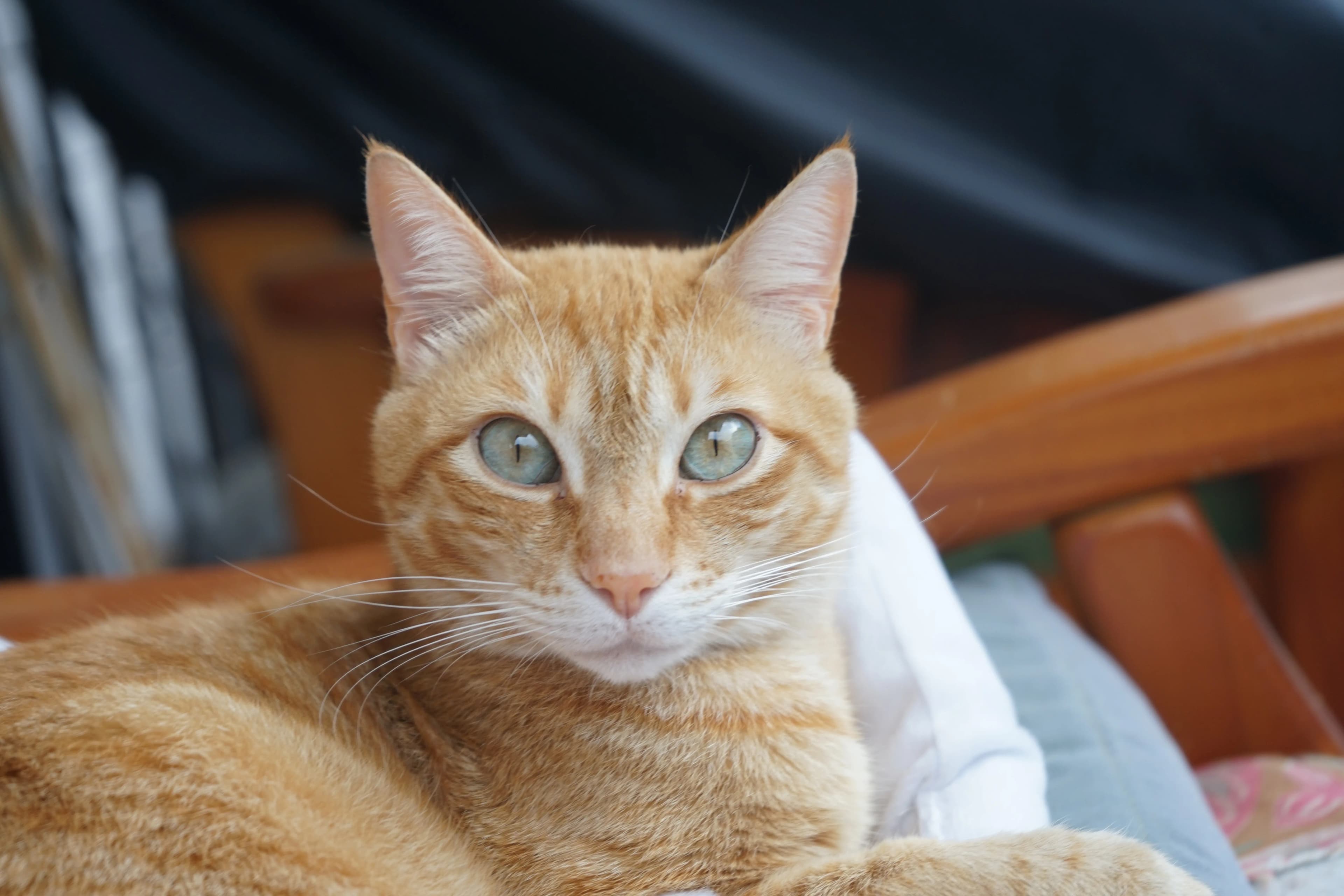
CASHCAT isn't a random cat picture. The name references Cash Cat, an early mascot from Robinhood's history as a stock-trading app, long before any of this blockchain expansion existed.
Someone deployed a memecoin referencing that mascot on Robinhood's own new chain, and the community ran with it immediately. It's the kind of self-referential joke crypto culture has always rewarded, a coin that pokes fun at the platform it's built on while trading on that same platform's infrastructure.
That's also exactly why it caught on faster than a generic, unrelated meme token would have. Robinhood Chain memecoins built around Robinhood's own brand history have a built-in audience: everyone who already knows the reference, which on launch week meant most of the people actually paying attention to the chain.
The CEO Said the Opposite a Week Earlier
This is the part that makes the story worth telling rather than just another token pump.
On July 3, Robinhood CEO Vlad Tenev drew a hard line between real-world assets and speculation, asking pointedly what the benefit even was of "making a million different memecoins." The chain, in his framing, existed for tokenized stocks and serious onchain finance.
By the time CASHCAT was making headlines, Tenev had softened that stance considerably, posting that while Robinhood Chain is built to be the best chain for RWAs, "it works great for memes too."
That about-face in under a week isn't a scandal, it's just what happens when a chain's actual early activity doesn't match its backers' pitch deck. Robinhood Chain memecoins weren't part of the plan. They showed up anyway, because permissionless chains don't actually let you choose what gets built on them.
How People Are Actually Trading Robinhood Chain Memecoins
The trading infrastructure caught up fast once it was clear there was real volume to capture.
| Platform | Role |
|---|---|
| Uniswap V3 on Robinhood Chain | Primary and effectively only DEX listing for CASHCAT and other tokens |
| Robinhood Wallet | Self-custody wallet most traders are actually using to hold positions |
Worth being precise here: this is Solana's Pump.fun-style launchpad culture showing up on a brand-new EVM chain, not Pump.fun itself. CASHCAT and the other tokens in this category trade on Robinhood Chain's own DEX infrastructure, not on Solana. If you see a claim that Pump.fun directly lists Robinhood Chain tokens, treat it skeptically, Pump.fun's core product is a Solana launchpad, and that's where its liquidity actually lives.
Other Robinhood Chain Meme Coins Beyond CASHCAT
CASHCAT is the headline, but it isn't the only Robinhood Chain meme coin with real trading volume. CoinGecko's dedicated category page for the sector lists a handful of others, most notably a token trading under the ticker 4663, sitting alongside CASHCAT near the top of the category by market cap.
None of the others have matched CASHCAT's specific narrative hook, the direct callback to Robinhood's own mascot is a hard act to follow. But the existence of a whole category, rather than a single isolated token, is the more important signal. It means the CASHCAT pump wasn't a one-off fluke, it kicked off an actual memecoin scene on the chain.
Expect that list to keep shifting. New chains with real trading volume tend to attract new token deployments daily in their first months, and most of them fade within days of launch. Anyone reading this even a few weeks after publication should treat the current leaderboard as a snapshot, not a fixed roster.
That's a familiar pattern to anyone who's watched a new chain launch before. One breakout token proves the rails work and the liquidity is real, and a wave of others follow trying to capture some of the same attention. Robinhood Chain meme coins as a category are still young enough that it's genuinely unclear which of the followers, if any, will stick around past the initial launch-week volume.
How to Actually Find New Memecoins on Robinhood Chain Before They Pump
There's no reliable formula here, anyone claiming otherwise is selling something. But a few habits separate people who catch these early from people who only hear about them after the headline.
- Watch Uniswap V3 pool creation on Robinhood Chain directly, rather than waiting for a token to already be trending. New pools show up onchain before they show up in your feed.
- Pay attention to brand-reference tokens specifically. CASHCAT worked because of a specific, recognizable joke. Generic animal-themed tokens with no story behind them rarely get the same pickup.
- Check CoinGecko's Robinhood Chain Meme category directly, since it's the closest thing to a live leaderboard for what's actually accumulating volume.
- Assume most tokens you find early go to zero. Finding memecoins on Robinhood Chain before they pump also means finding far more that never pump at all. The ones you don't buy matter as much as the one you do.
None of this turns memecoin trading into a sure thing. It just moves the odds slightly, and only for people willing to spend real time watching onchain activity rather than reacting to headlines a day late.
Worth saying plainly: the people who did best on CASHCAT weren't necessarily the most skilled traders on the chain. A lot of it came down to simply being an early, active user of Robinhood Chain in its first week, in the right Telegram or Discord when the mascot joke started circulating. That's not a repeatable edge so much as a timing accident, and it's worth being honest with yourself about which one you're chasing before you put real money behind it.
That same dynamic will likely repeat with whatever the next big Robinhood Chain memecoin turns out to be, and possibly the one after that. Being early to a new chain carries real informational advantage, not because early users are smarter, but because attention itself is the scarce resource a memecoin needs, and there's simply less competition for it in the first weeks a chain is live.
The Eighty-Five Dollar Story, and Why It's Not the Median Outcome
The story getting passed around the most is a trader who reportedly turned an $85 position into roughly $2.3 million on CASHCAT, as reported by Yahoo Finance and picked up widely from there.
It's a real story. It's also survivorship bias in its purest form. For every early buyer who turned lunch money into a life-changing sum, there were far more people who bought the top of a 950%-in-a-day candle and are currently sitting on a loss they haven't posted about.
Robinhood Chain memecoins, like memecoins on any chain, follow the same brutal math: a tiny number of early or lucky entries capture almost all the upside, and the token's total trading volume record gets set mostly by people entering after the move already happened.

Should You Actually Buy Robinhood Chain Memecoins?
Not investment advice, just the honest framing: a token that moved 950% in a day can move the other direction just as fast, and usually does eventually.
This isn't meant to talk anyone out of it entirely, plenty of people do this with money they can genuinely afford to lose and treat it as entertainment rather than a serious allocation. A few things worth weighing before touching any Robinhood Chain memecoins specifically:
- The chain is brand new. Less than two weeks of mainnet history as of this writing means essentially no track record for how these tokens behave through a full market cycle.
- Liquidity can be thin. A market cap in the tens of millions doesn't mean there's deep liquidity to exit a large position without moving the price against yourself.
- Brand-reference tokens front-run the next one. CASHCAT worked because it referenced something specific and recognizable. Copycat tokens riding the same wave rarely capture the same attention twice.
- Robinhood itself isn't endorsing these. The CEO's comments were about the chain being permissionless, not Robinhood backing any specific memecoin.
The honest answer is that Robinhood Chain memecoins are a speculation vehicle, full stop. That's not a criticism, speculation is a legitimate and long-standing part of crypto culture, but it's a different activity from the RWA pitch that got the chain built in the first place. Size any position accordingly, and don't confuse a fun bet with a considered investment thesis.
Common Mistakes When Trading Robinhood Chain Memecoins
- Chasing the candle after it's already parabolic. By the time a 950% move is in every headline, the easiest money has usually already been made.
- Confusing a permissionless chain with an endorsed one. Anyone can deploy a token on Robinhood Chain. That doesn't mean Robinhood reviewed it, backs it, or will ever mention it again.
- Sizing a memecoin position like it's a Stock Token. These are fundamentally different risk profiles even though they live on the same chain. Treat them accordingly.
- Ignoring gas and slippage on thin liquidity. A big swing on a low-liquidity pair can cost far more in slippage than the headline price suggests.
If you're newer to Robinhood Chain generally and haven't touched the tokenized-stock side yet, we broke down how Robinhood Chain stock tokens and the testnet faucet actually work in a separate piece, worth a look if memecoins aren't the only reason you're here.
FAQ
What is the biggest Robinhood Chain memecoin right now? CASHCAT, referencing Robinhood's early Cash Cat mascot, is the most prominent, having surged roughly 700% to 950% in a single day in July 2026 and setting a trading volume record on the chain.
Did Robinhood create or endorse CASHCAT? No. Robinhood Chain is permissionless, meaning anyone can deploy a token on it without Robinhood's approval. CASHCAT was community-deployed, referencing Robinhood's own brand history as a joke that caught on.
Where can I trade Robinhood Chain memecoins? Uniswap V3 on Robinhood Chain is effectively the only listing venue for tokens like CASHCAT right now. Pump.fun is a separate, Solana-only platform and does not list Robinhood Chain tokens, despite some secondary coverage implying otherwise.
Is Robinhood Chain actually meant for memecoins? Not according to the chain's stated purpose, which centers on tokenized stocks and real-world assets. But the CEO has since acknowledged that the permissionless architecture works well for memes too, regardless of the original intent.
Are Robinhood Chain memecoins riskier than the chain's Stock Tokens? Generally yes. Stock Tokens track a real, listed security's price. Memecoins have no underlying asset at all, their value is driven entirely by attention and trading activity, which can disappear as fast as it arrived.
Will Robinhood shut down or restrict Robinhood Chain memecoins? Nothing suggests that as of this writing. The chain is explicitly permissionless by design, and Tenev's own comments after CASHCAT's surge leaned toward acknowledging memecoins as a legitimate use case rather than signaling a crackdown.
How is Robinhood Chain memecoin activity different from memecoins on Solana or Base? The mechanics are similar, DEX listings, thin early liquidity, attention-driven pumps. The main difference right now is novelty. Robinhood Chain is barely weeks old, so its memecoin scene doesn't yet have the established infrastructure, sniper bots, and copy-trading tools that Solana's has built up over years.
Is there a definitive list of every Robinhood Chain memecoin? Not a static one. CoinGecko's dedicated category page is the closest thing, but new Robinhood Chain memecoins get deployed constantly and most never accumulate meaningful volume, so any list is a snapshot rather than a permanent record.
Robinhood Chain memecoins are moving fast enough that any specific number in this piece, market cap, percentage gain, whichever token is currently on top, will likely be stale within weeks. The underlying pattern is more durable: a permissionless chain with real distribution behind it, real people showing up early, and real volatility as a result.
Related Articles